


 News Desk
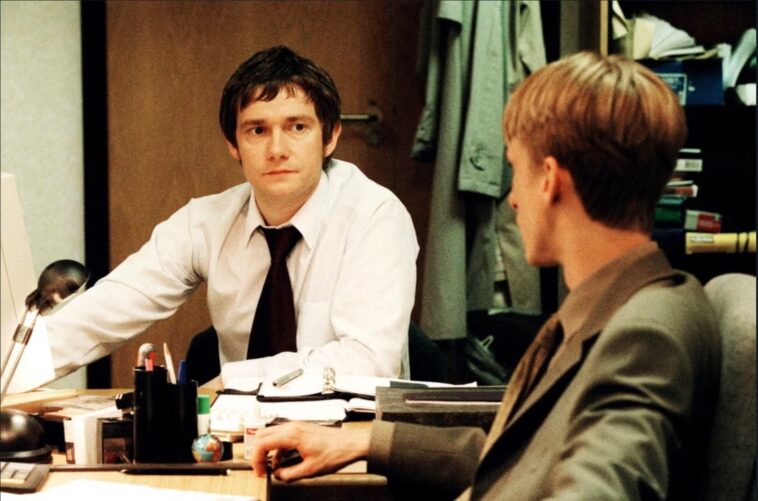
More and more young people are allegedly feeling apathetic towards work or ghosting their employers entirely, leading to questions about the state of work culture today. But Adam White isn’t sure it’s exclusive to the young, or whether occasional indifference to your job is necessarily a bad thing
few weeks ago, a friend told me he sometimes thought about quitting his job. I told him I also sometimes thought about quitting my job. So together we bonded over our mutual loathing of workplace drudgery, the day-to-day miseries of leaving the house, and our shared dreams of self-inflicted unemployment. Then we acknowledged that, actually, we both liked our jobs. So we changed the subject.
Feeling apathetic about work, and the back and forth between embracing it wholeheartedly and telling it that it’s terrible and that you want it to die, is a modern constant. Everyone seems to be at it – whether you work in a shop, an office, or freelance from home, little is more appealing than shutting down and staring at the ceiling rather than doing what you’re being paid to do. Or at least taking time out to fantasise about having a completely different life and vocation. And some workers are allegedly doing just that – downing tools, metaphorical or otherwise, and ghosting their employers entirely.

According to new claims by a leading employment lawyer, this is most rife among specific demographics. “What we have noticed is, in those sectors where perhaps wages and skills are a little lower, there is a definite increase in the number of employees who are just not showing up to work,” Nick Hurley of Charles Russell Speechlys told The Daily Telegraph this week. He identified retail and hospitality as the sectors most affected, younger people as the biggest culprits, and mental health conditions and long-term sickness post-Covid as some of the key factors leading employees to go awol.
Some of this has to be taken with a pinch of salt. Stories like these often feel a bit like fury bingo: toss some worrying employment figures together with images of right-on and/or lazy young adults self-diagnosing themselves as depressed or anxious, and you can practically hear readers clicking indignantly through their rage sweats. That said, if the picture painted by the stats is indeed accurate, can you really blame young workers for dropping off the map?
In January, the charity Mental Health UK warned that Britain is at risk of becoming a “burnt-out nation”. The kind of phrasing once synonymous with gloomy epigraphs at the start of dystopian fiction, it’s now just a thing we say to one another. “We live in unprecedented times,” chief executive Brian Dow explained. “Life outside work has become increasingly difficult due to the cost of living crisis and pressures on public services, while global challenges such as climate change and artificial intelligence fuel stress, anxiety and feelings of hopelessness.”



GIPHY App Key not set. Please check settings