


 News Desk
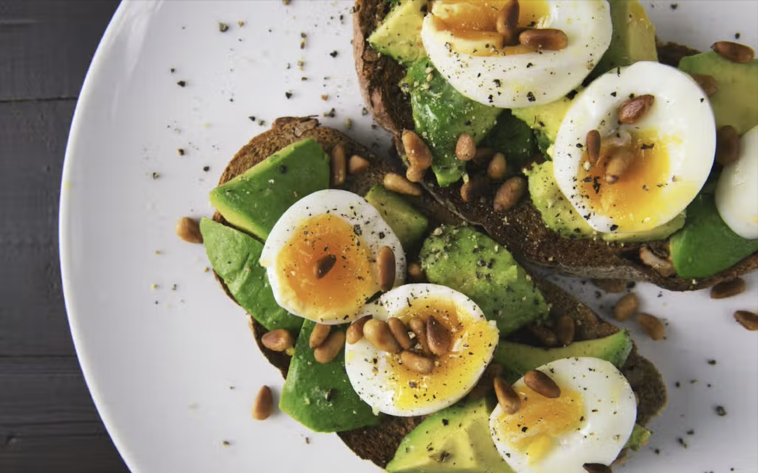
From realistic imitations to protein-rich innovations, the keto-friendly foods, swaps and favourites to stock up on
As much as veganism seems to be ruling the roost when it comes to the nation’s dietary choices, the pendulum does swing the other way.
On the opposite end of the scale is another community that favours the exact opposite of plant-based plates – those who swear by keto.

The lifestyle promotes adopting a low-carb, protein-heavy meal plan which can help some people shift pounds so dramatically that some health experts even recommend it to help manage Type 2 Diabetes.
Registered Dietitian and Nutritionist for Dietitian Fit & Co. Reema Patel is on hand to tell us more about keto and answer our burning FAQs.
What is a keto diet and how does it differ from low carb?
“A ketogenic diet severely restricts carbohydrate intake to as little as 5-10 per cent of energy intake (this calculates to be between 20-50g carbs per day for most people). This is whilst substantially increasing fat intake to around 70 per cent, with protein intake remaining around 20-30 per cent of overall energy intake. Carbohydrate restriction comes not only from typical foods such as bread, rice, pasta and potatoes, but also many vegetables, fruits, beans, pulses and dairy products. Macronutrient counting is important to ensure you are sticking within percentages for ketosis.
“However, a lower carbohydrate diet is not as restrictive – this often focuses on consuming mainly proteins and non-starchy vegetables whilst limiting grains, sweetened foods and beverages, starchy vegetables and possibly fruit.”
How does a keto diet plan help weight loss?
“A keto diet encourages ketone bodies to be produced, as then fat eaten turns into ketones, which can be used to supply energy to the brain. A ketogenic diet can help to reduce insulin levels, which improves blood sugar management. The body will start to convert fat into energy, and this can help decrease overall fat storage. A ketogenic diet may also help reduce appetite and food intake, which can lead to a reduction in overall calories consumed.”
How much can you expect to lose from doing a keto diet?
“Typically weight loss can be between 1-2 lbs a week (0.5-1kg a week). At the beginning, weight loss may be larger, though this is often due to water weight loss. However, overall weight loss really depends on your body type and specific goals, as there is no average or normal weight loss expected with keto diets in the long term.”
Can vegetarians do keto? How?
“Vegetarians can do the keto diet, though it is more difficult due to the lack of most animal products, and vegetarian diets typically contain more starchy foods. If a person consumes eggs and dairy, these can be good options for protein. However, regular vegetarian protein options such as beans and lentils need to be restricted. And some vegetarian burgers can often be quite high in carbohydrates. You may need to plan ahead to ensure meals are balanced enough to get in low carb vegetables and fruit and plant-based fats, such as avocado, coconut, certain nuts and olives. You will also need to consider certain nutrients that can be harder to obtain from a keto vegetarian diet, such as vitamins B12, D, zinc, calcium, iron and omega-3. Speak to a dietitian who can advise you on supplementation if necessary.”
Is keto healthy, for either the short or long term?
“The keto diet can be healthy, if you feel that it is sustainable and enjoyable and fits into your lifestyle. For most people, it is not something they feel they can maintain for the long term, especially when socialising. It is particularly important to check if the keto diet is suitable, if you have certain health issues as explained below. Certain nutrients need to be considered when following a keto diet for the long term as mentioned above, as well as certain vitamins and minerals, which may be harder to obtain through a keto diet.”
Who should try a keto-diet?
“As with all diets, it is not for everyone! Though if you are looking to lose weight and have no health indicators as listed below, you could give a keto diet a try. We recommend following the diet alongside an experienced Registered Dietitian, who can ensure you are not missing out on any key nutrients.
“However, a subset of people should not try keto diets. This includes those with liver failure or fat metabolism disorders, pancreatitis, diabetes controlled by medication or insulin. If you are unsure, speak to your GP or doctor before embarking on the changes.”
If you want to try keto or low-carb, what’s the best way to start?
“Start by researching what foods are higher in carbohydrates, and working on reducing or eliminating these, depending on if you are following a keto or low carb diet. You may also need to reduce your intake of protein to a lower-moderate amount – calculate your protein requirements and stick within this level. Include lower carbohydrate fruits and vegetables in appropriate portions and evaluate the best sources of fat for your diet.
“Be aware that the keto diet is very high in fat and can take some time to get used to. Some people experience what is called the ‘keto flu’, which is a short-term period at the start of the diet whilst their body adjusts, leaving some feeling lethargic with brain fog and potentially diarrhoea due to changes in fibre intake.
“Planning and prepping meals can be very helpful when doing a keto diet, to ensure you have meals ready to eat or a schedule to help you with organisation for the week.”
According to research, some 12.9m Americans said they followed a keto diet in 2022, while the UK averages around 300,000 searches a month for the term.
If you’re curious about trying keto or want to see if a low-carb meal plan works for you, we’ve rounded up some of the best options and alternatives around to fill your larder.



GIPHY App Key not set. Please check settings