


 News Desk
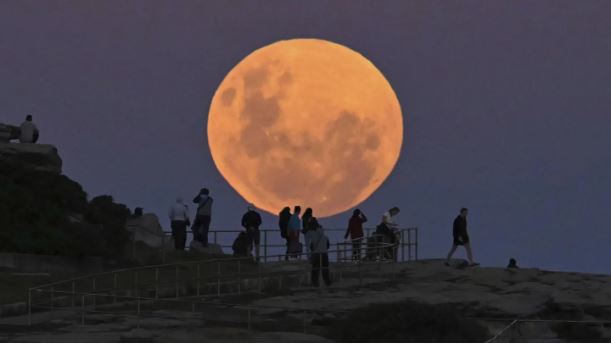
There may not be a total solar eclipse to get excited about, but May’s night sky is not to be underestimated.
One of the year’s best meteor showers will peak early this month before some superb moon and planetary views. The deep sky also comes into view, with the darkest skies in the first 10 days of May.
Here’s what to look for in the night sky this month:

Saturn And The Moon
When: an hour before sunrise, May 3, 4 and an hour and 2:00 a.m. May 31
Where: eastern pre-dawn skySince the moon follows a similar path through the sky each month, when it comes close to a planet during one orbit it will also do on the next. This month Saturn will appear close to a 29%-lit waning crescent moon on May 3, a 19%-lit waning crescent moon early on May 4, and first quarter moon on May 31.
Where: northern sky close to the Big Dipper
Spring is galaxy season, the easiest time to peer outside of our galaxy and see the building blocks of the universe at large. One of the best sights of all in a small telescope is M81 and M82, the former a face-on spiral galaxy and the latter a distorted galaxy we have a side-on view of. Both are 12 million light-years away. They’re in Ursa Major, home to the Big Dipper, which is “up” in spring after dark in the northern sky.
Eta Aquariids Meteor Shower Peaks
When: midnight May 4-5
Where: all-sky
The best display of “shooting stars” since December’s Geminids will occur early this month when the Eta Aquariids peak. The Eta Aquariids meteor shower is the result of a cloud of debris left in the inner solar system by Halley’s comet and is expected to produce about 20 to 30 meteors per hour. As a bonus, the peak—best seen in the early hours of May 5—will occur in dark, moonless skies.
A Crescent Moon After Sunset
When: after sunset, May 9, 10 and 11
Where: western sky
The three or four nights after a New Moon are ideal for seeing a beautifully slim crescent moon shine in the western sky after dark. This month, that happens from May 9-11, with the best views in the west, just after sunset. May 8 wil see the crescent moon close to Jupiter. Look out for “Earthshine”—sunlight reflected from Earth back onto the moon, which lights up its “dark side.”
‘Flower Moon’ Rising
When: May 23
Where: eastern sky
Is there any more spectacular sight in nature—aside from a total solar eclipse—than a full moon rising in the east? Looking muted in brightness and orange in color, May’s “Flower Moon” will be best seen at moonrise where you are tonight. Look to the lower left, and you’ll see Antares, the brightest star in the summer constellation Scorpius.
Wishing you clear skies and wide eyes.



GIPHY App Key not set. Please check settings