


 News Desk
History of the heavyweight beef
It was once so clear and powerful. The heavyweight championship of the world used to be the most significant prize in sport and the winner was often as revered or feared as almost any man on the planet. As Tyson Fury and Oleksandr Usyk prepare to face each other in Saudi Arabia on Saturday night, with both men determined to become the first undisputed world heavyweight champion this century, it feels timely to remember those simple yet majestic years in the ring.
For decades in the 20th century only eight men could claim to be a world champion at any given time and such clarity made boxing a compelling business. Variations came and went but, at boxing’s peak, there were just eight weight divisions, with the heavyweight champion occupying an exalted place in sport and society.
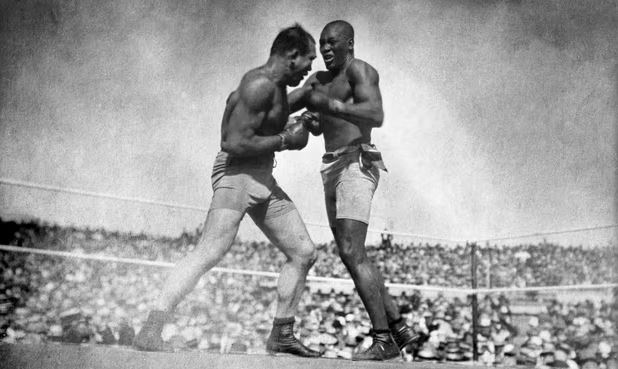
Heavyweight boxing also broke down previously unshakeable racial barriers as African American fighters, inspired by the audacious Jack Johnson and bolstered by the stoical Joe Louis, swept aside inferior challengers peddled year after year as “The Great White Hope”. Johnson was hated by many white Americans because he mocked racism and celebrated his “unforgivable blackness”. He enjoyed the wealth and fame bestowed on the world heavyweight champion and openly paraded his white girlfriends and dapper suits.

When he was challenged by Jim Jeffries, who vowed to prove the supremacy of the white race by winning the title in 1910, the champion’s skill and power resulted in a crushing victory for Johnson and black America.
In the 1930s boxing still dominated the sporting mainstream in America, filling newspaper pages and echoing on radio broadcasts with a power and urgency difficult to imagine today. It also carried a political resonance. Louis had been shocked in 1936, when he was 21 and lost for the first time to Germany’s Max Schmeling. Adolf Hitler was jubilant, claiming Aryan supremacy, even though Schmeling did not support the Nazis.



GIPHY App Key not set. Please check settings